
Performance & Genetics
EBVs in Practice
What do EBV figures actually mean for your farm? Explore practical examples that show how to interpret the numbers and use them to support your breeding decisions.
From figures to decisions
What Does +40 kg Really Mean?
EBVs are a valuable tool when used in context. They help you compare animals, but no single figure should be used in isolation. The right choice will depend on your breeding objectives, the type of females you are mating, and your production system.
A 400 Day Weight EBV estimates an animal's genetic potential for liveweight at approximately 400 days of age. It helps you compare bulls and predict differences in the average growth performance of their future calves.
Compare the Same Trait
Only compare EBVs for the same characteristic, such as 400 Day Weight.
Use the Same Evaluation
Make sure both figures come from the same genetic evaluation.
Remember, They're Predictions
Actual calf weights also depend on the dam, feeding and management conditions.
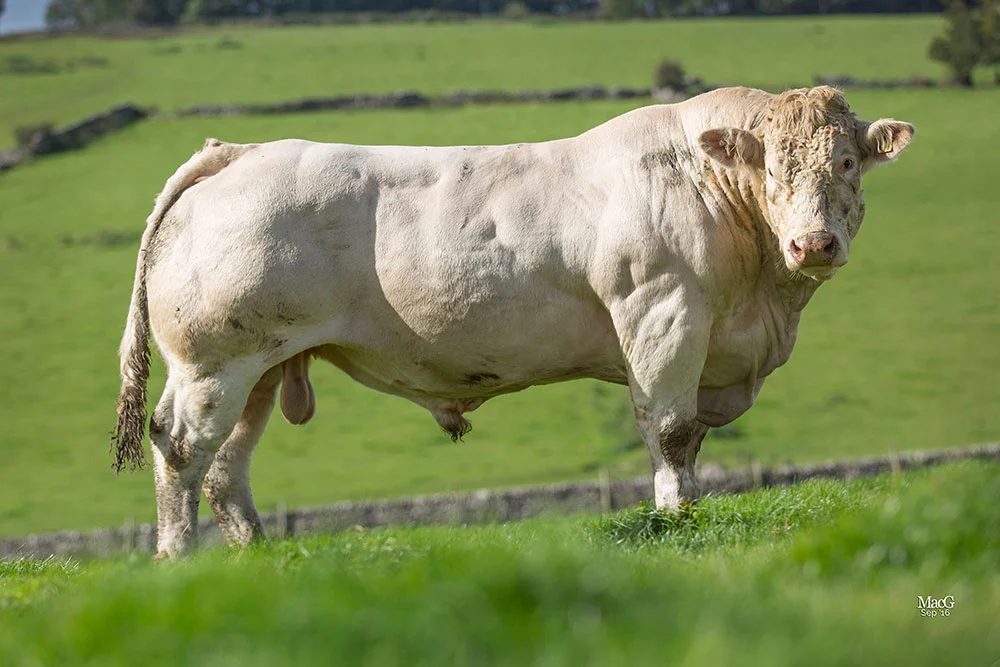
Bull A
400 Day Weight EBV
+ 40 kg
VS
Bull B
400 Day Weight EBV
+ 20 kg
Difference between the bulls
20 kg
A calf inherits about half from its sire
10 kg
Expected average progeny difference
+ 10 kg
in favour of Bull A at 400 days
- Because a calf inherits approximately half of its genetic merit from each parent, calves sired by Bull A are expected to be around 10 kg heavier at 400 days than calves sired by Bull B, assuming comparable dams and management conditions.
Real-world selection scenarios
Different farms have different breeding goals. Here are some examples of how EBVs can be used in practice.
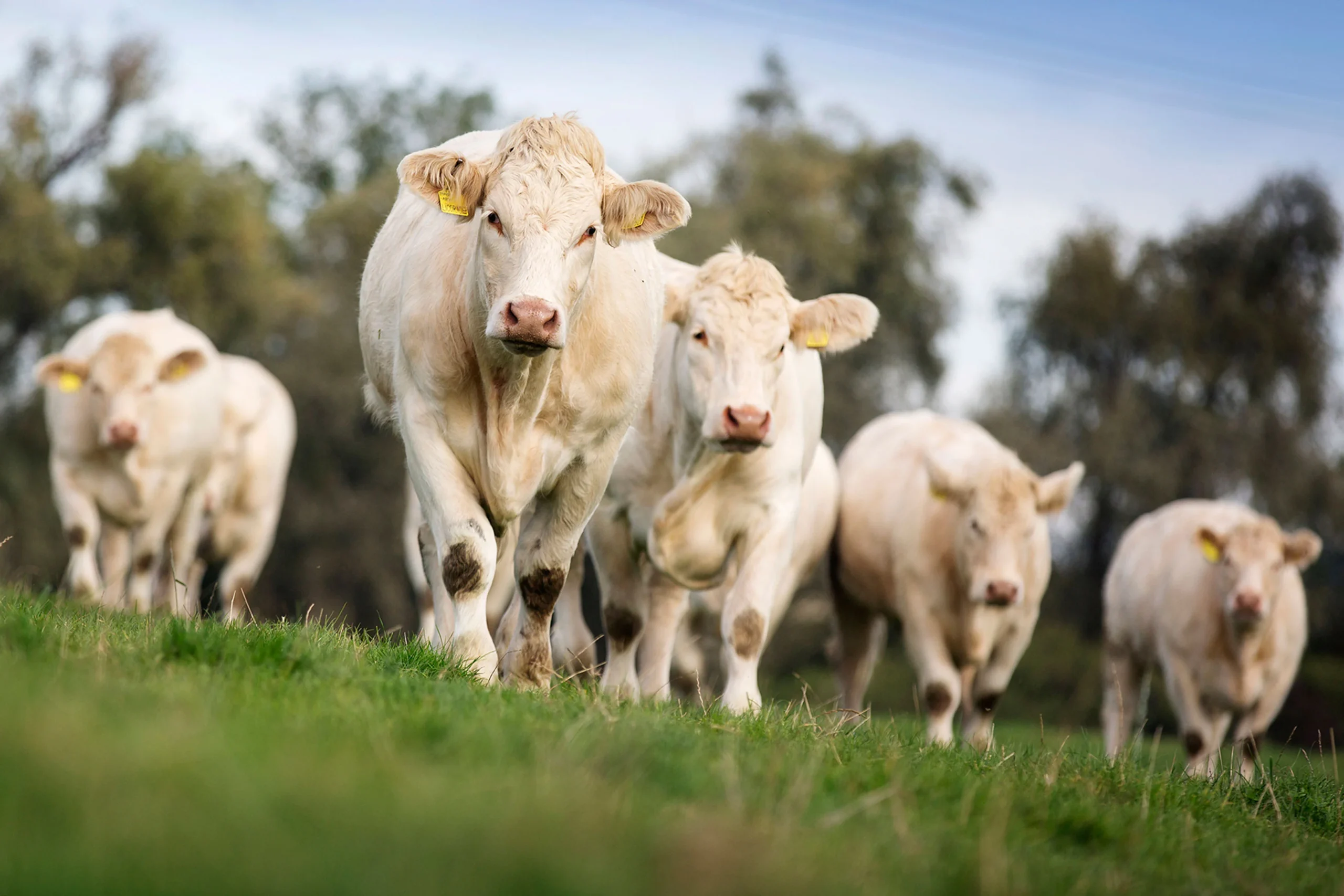
Choosing a Bull for Heifers
Focus on:
- Calving Ease EBVs
- Birth Weight EBVs
Why:
Helps reduce the risk of calving difficulty.
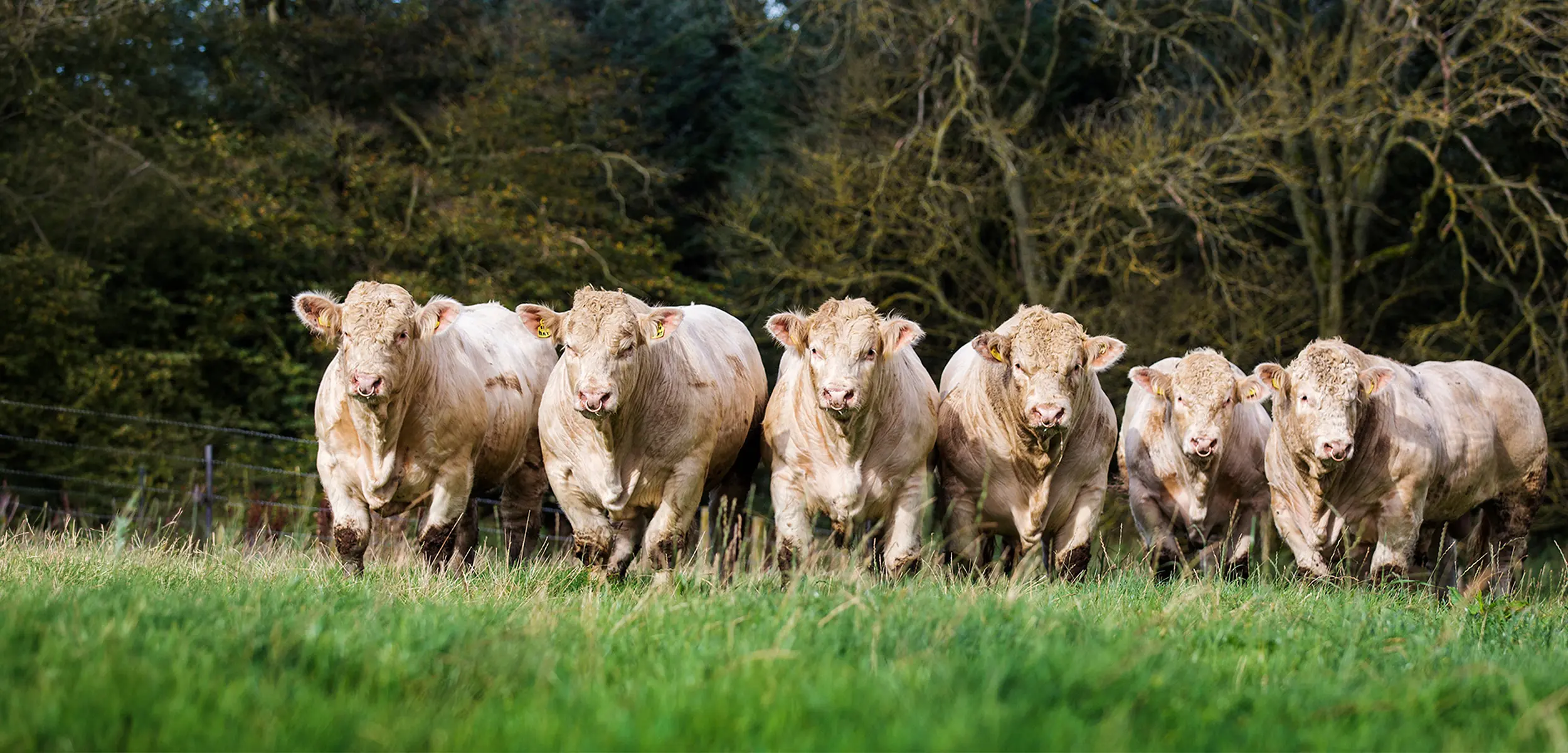
Breeding Cattle for Growth
Focus on:
- 200 Day Weight EBV
- 400 Day Weight EBV
- 600 Day Weight EBV
Why:
Supports faster growth and finishing potential.

Breeding for Carcase Value
Focus on:
- Carcase Weight EBV
- Eye Muscle Area EBV
- Fat and retail yield traits
Why:
Helps align breeding with market requirements.
Important Things to Remember

Compare Like with Like
Use EBVs calculated on the same genetic evaluation basis.

Use Several EBVs
Consider a range of traits to get a balanced view.

Think About Your Breeding Goals
The right EBVs depend on your production system.

Check Accuracy
Higher accuracy means greater confidence in the estimate.
Discover the Science Behind the Numbers
EBVs are built on reliable performance and pedigree information. Discover how weighing, scanning and DNA testing help breeders make informed decisions and support continued genetic improvement.